
Writing is devotion
Contributor Spotlight on Aaliyah Anderson

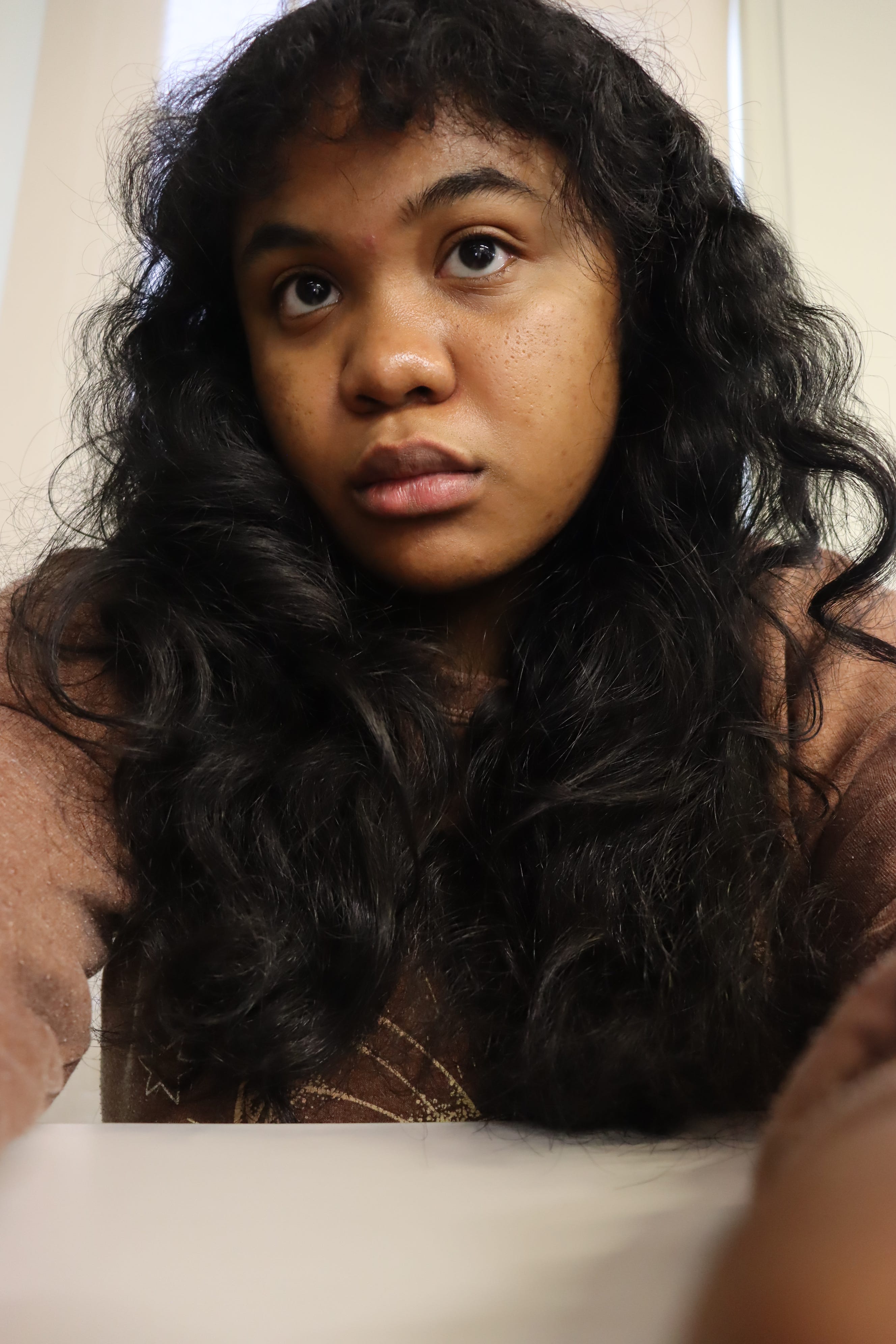
Aaliyah Anderson’s poem “Jump” appears in Issue 19 of Arkana.
Arkana: What was the inspiration behind this piece?
“Jump” is a poem inspired by many things but initially sprouted from my own thoughts on the absurdity of “shock value” and how this intersects with ethnic and racial identities. Who we are (racially and otherwise) and how we articulate ourselves often overlaps with performance, something which music, film, online chat boxes all have in common. It wouldn’t be a poem of mine if it wasn’t filled with references, and the most prevalent one is Eadweard Muybridge’s Animal Locomotion photographs. His representations of life are still impressive 138 years later.
Arkana: This poem seems to be a flow of consciousness. What was the writing process like?
The beginnings of my poems often never change - everything starts with a concept/image/idea and spirals out from there. It’s correct to describe this (and a lot of my writing) as stream of conscious, and I embrace it! The drafting process was quick, but “Jump” sat with me for a while. When a poem is so “spur of the moment,” it can be hard to revise in fear of losing its initial spark. I’m glad I didn’t give up on it!
Arkana: Can you speak to how you approach spacing and line breaks in your poetry? How did you end up with the blocky form of this piece?
Line breaks both free and constrain me depending on the day. While writing “Jump,” I was in a phase where line breaks felt too difficult and I was reading a lot of poems and poetry books (like Little Anodynes by Jon Pineda) that prompted me to reconsider formatting. This poem also just refused line breaks, and who was I to stop that?
Arkana: Throughout the piece we get italics of an unknown character speaking to our narrator which grounds us in the situation. Could you speak to your intentions behind including dialogue in this piece?
I love italics! And I love conversation. I’ve never been a conventional poet, and if there’s a way for me to provide clarity (even just a little bit), I’ll do it. The italics here were things someone once said to me - these words are less of my voice, less of myself, but still something I think about. This encounter occasionally breaks into the flow of my conscious in the same way the italics do in this poem.
Arkana: In your bio, you say that you are a Creative Writing and American studies student. How has your education in American Studies influenced your writing?
My education in American Studies shines through every part of my writing. In particular, American identity and how this changes depending on the time/location/etc. is the subject I write about the most. It’s also impossible for me to write without the context of my own familial history; when I write, I’m writing as a Black American; when I write, I’m writing as an Asian American. And there are so many stories to be written, so much more history and culture which needs to be heard around this country. I’ve been grateful to hear and educate myself on what’s really only a handful in an ever-growing pile.
Arkana: What are you currently working on?
More and more poems while reading as much as I can (currently Tolstoy). I’ve been also exploring theopoetics, which has brought a new light to my writing. Every once in a while, I’ll dabble in prose (essays and fiction) though poetry is always there.
Arkana: At one point or another, all Arkana editors are MFA in Creative Writing students. What advice would you have liked to hear as an emerging writer?
Writing is devotion. Even if it’s the most unserious writing, it requires dedication. Love what you’re doing. Love hard and deep. Always, always, always be proud of yourself.